4th Year
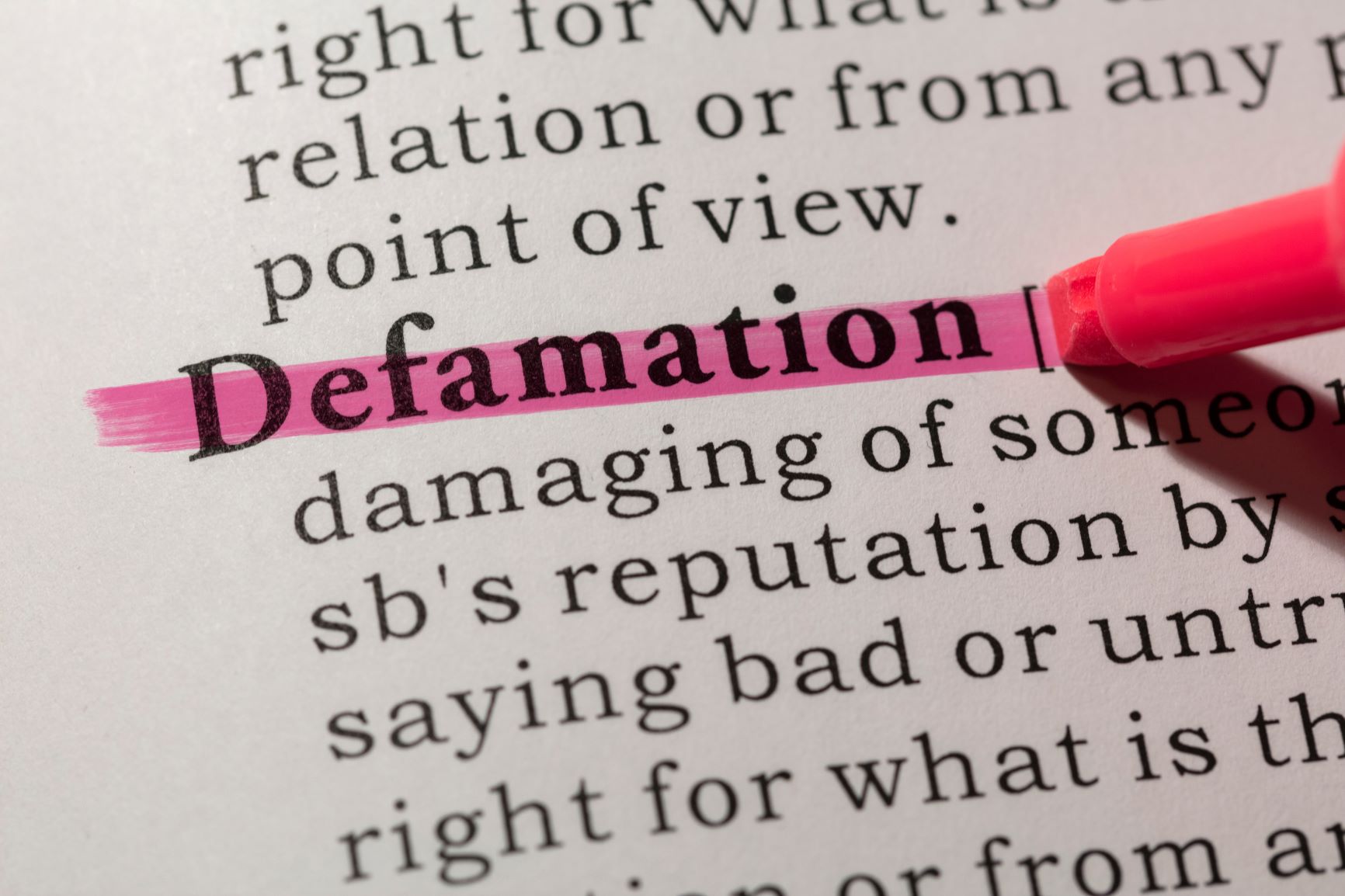
My essay will explore defamation law and how it has become increasingly complex in the digital era, as information now spreads rapidly, globally, and permanently through digital footprints. Platforms such as Instagram, Facebook and TikTok allow individuals to become informal or freelance communicators, sharing opinions—both true and false—which has contributed to a growing number of defamation disputes. Algorithms, virality and online sharing therefore influence modern journalism in ways that significantly differ from traditional practices. Communication no longer requires professional training or factual accuracy, as anyone can publish potentially defamatory material, often anonymously. This creates an ethical landscape of conflicting truths, opinions and misinformation where moral responsibility and professionalism can be compromised. The two case studies examined in this essay are McVicker v Nine Digital Pty Ltd (2025) and a recent Google intermediary-liability case, both of which demonstrate how legal decisions and emerging expectations can lead journalists and communicators to adopt restorative, ethically accountable practices. Restorative journalism focuses on addressing harm and enabling constructive solutions rather than emphasising blame and conflict. These case studies reflect a growing shift toward restorative journalism, where communicators aim to repair damage, maintain trust, and operate transparently. Large Australian commercial firm Thomson Geer (2022) explains that the High Court ruled that Google was not a publisher of defamatory material because a hyperlink itself does not communicate or endorse the underlying content, reinforcing the complexity of modern defamation.dddddddddddd
Defamation laws protect individuals from unjustified harm caused by untrue statements communicated to a third party, whether written, spoken or digitally published. Their purpose is not to suppress criticism or public debate but to balance freedom of expression with the protection of reputation for individuals, businesses and corporations. In Australia, these principles are legislated through the Defamation Act 2005, which introduced uniform laws to ensure consistent protection of reputation. Australian defamation law recognises reputation as a protected legal interest, meaning plaintiffs need not prove material loss to bring a claim. In McVicker v Nine Digital Pty Ltd (2025), the Australian Supreme Court recognised that online publications often cause reputational harm due to accessibility and permanence, which supported the use of the Offer of Amends as a restorative approach. This response reflects an increasing expectation for publishers to take proactive responsibility when harm occurs.
Australia’s Constitution does not include an explicit right to freedom of expression, unlike the United States, where speech is strongly protected under the First Amendment. As a result, Australia balances expressive liberties with the protection of reputation. The United States, by contrast, places greater emphasis on free speech even when it may be harmful. Under Australian defamation law, dangerous or hateful speech can therefore result in legal consequences, reflecting a more reputation-focused approach, whereas American jurisprudence prioritises speech-based protections. Writer Floyd Hunt (2023) argues that Australian defamation law has not kept pace with digital communication, particularly the growing influence of intermediaries driven by algorithms and automated systems. This tension between traditional legal frameworks and modern communication practices underpins many of the issues explored in this essay.
The McVicker case (2025) involved allegedly defamatory statements concerning Robert McVicker. The online news publications by Nine Digital implied McVicker’s involvement in the collapse of the travel business BestJet, which was claimed to have caused harm to his personal and professional reputation. The case demonstrates the legal and ethical expectations placed on traditional media publishers and exemplifies the Offer of Amends. The defamatory content was published online, creating a large digital footprint and extensive circulation, increasing reputational risk. Rather than contesting the claims through prolonged litigation, Nine issued an Offer of Amends in response to the Concerns Notice. The plaintiff pursued the amends pathway, which offers a practical and ethical form of restorative journalism by allowing organisations to provide monetary compensation or remedial measures such as removal, correction or clarification. McVicker v Nine Digital illustrates the expectations placed on traditional media publishers and shows how wrongful depictions of individuals can lead to defamation claims. The case highlights the active responsibility, harm repair and ethical professionalism associated with restorative journalism, and demonstrates how traditional newsrooms can maintain trust even after mistakes occur.
To further illustrate the complexities of digital media, this essay examines Google’s 2022 case as an intermediary. The case explored legal frameworks relating to search engines and digital platforms. The central question was whether Google could be culpable for defamatory material appearing in a search result via a hyperlink. Although Google was initially considered a “publisher” under defamation law, the High Court ruled that Google was not a publisher because it did not create, edit or endorse the hyperlink itself. Hyperlinks were therefore not considered publishing on Google’s behalf, highlighting a clear difference between traditional journalism and online platforms. The dispute illustrates both the complexities of online publishing and a discrepancy between Google’s moral and ethical standards, as they allow defamatory material to remain accessible without removal. Modern law regarding defamatory content is therefore in an ambiguous state due to the emergence of digital media, raising essential questions about modern digital harm, law reform, and platform accountability. Unlike McVicker, which demonstrates restorative journalism, the Google case reflects the growing need for ethical and legal reform regarding digital platforms and accountability measures.
Defamation cases in the digital era now involve multiple communication actors, such as traditional publishers and digital platforms, and ethical responsibility is not evenly distributed. McVicker illustrates the laws governing traditional media and restorative journalism, particularly in the context of the Offer of Amends, which provides transparency and a streamlined corrective process. The Google case, alternatively, demonstrates how digital platforms can amplify defamatory content through hyperlinks or advertising and avoid ethical accountability by exploiting legal loopholes. This creates an accountability gap between traditional media and digital intermediaries, leaving reputational harm to persist without a duty of repair. The divide becomes clearer when considering Hunt’s (2023) argument that “Australia’s defamation laws were designed for a different media landscape,” and that they now struggle—sometimes fail—to accommodate the speed, anonymity, and scale of digital media production. These developments reflect a system increasingly outpaced by the technology it seeks to regulate.
Modern ethical concerns surrounding journalism and digital communication necessitate law reform that extends responsibility beyond the original author to include intermediaries such as Google. The current state of the law creates inconsistencies, and society should expect all communicative agents—not only publishers—to be held accountable for harm. The McVicker and Google cases exemplify contrasting legal standards between traditional and online platforms, revealing discrepancies in ethical and moral obligations among publishers, platforms and plaintiffs.
To reconcile these issues, digital spaces should prioritise harm repair, transparency and accountability in defamation cases, regardless of medium. Ethical journalism should remain consistent across traditional media, new organisations, intermediaries and content sharers. As communication increasingly shifts from conventional journalists to freelancers, bloggers and everyday users, responsibility must broaden across the journalistic network. The Google case demonstrates that entities involved in content circulation must bear a moral obligation toward the credibility of information shared via hyperlinks or algorithms. Modern platforms such as Instagram, TikTok and Twitter focus on circulation and reach, which can rapidly amplify harmful material. A managed form of accurate and fair news media must be provided even when legal liability is unclear. News media should adhere to the principles of the fourth estate, providing accurate information for public consumption with meaningful ethical implications.
Overall, this essay has highlighted discrepancies between traditional media platforms and the digital age. While the law provides restorative pathways for defamation, digital platforms face different issues around liability and accountability. Platforms such as Google, Instagram and Twitter fail to ensure harm repair by operating within legal loopholes. The Google case demonstrates the limited accountability they must provide, emphasising the author rather than their algorithm. The discrepancy raises the question of who is responsible for the damage and who caused it. In the digital age, defamation is difficult to claim due to the anonymity, speed and permanence of new media environments.
In summary, the digital era has transformed defamation, making harmful content more widespread and difficult to regulate. The McVicker case demonstrates the responsibilities of traditional media in restorative journalism, while the Google case shows the ambiguity of digital media and inconsistent accountability. Traditional media must repair harm, but digital platforms often avoid responsibility as the law develops. Society should expect communications—conventional or digital—to engage in harm repair and transparency to protect media law and individuals affected by inaccurate or harmful content. The shifting of blame in digital cases like Google makes judicial action difficult. As a result, responsibility must extend to all intermediaries involved in communication. These two cases highlight the contrast between traditional journalism’s ethical obligations and the evolving digital landscape, where accountability has become inconsistent and increasingly difficult to define.
References
Clayton Utz. (2022). High Court rules Google is not a publisher in defamation case over hyperlink. Thomson Geer Lawyers.
https://www.tglaw.com.au/insights/high-court-rules-google-is-not-a-publisher-in-defamation-case-over-hyperlink
Hunt, F. A. (2023, February 7). Moving Australia’s defamation laws into the digital age. Law Society Journal.
https://lsj.com.au/articles/moving-australias-defamation-laws-into-the-digital-age/
McVicker v Nine Digital Pty Ltd [2025] QSC 110.
https://static1.squarespace.com/static/567600844bf118c80a3301e2/t/688ec389bc5e897bcf3d67ae/1754186633690/McVICKER%2Bv%2BNINE%2BDIGITAL%2BPTY%2BLTD%2BBC202507203.pdf