3rd Year
Part 1: Reaction
My initial reaction was one of understanding and a resounding yes. As a former drug addict, ensuring safe drug use is crucial, as I have witnessed overdoses, friends who have passed away and near deaths related to all types of drug use. My perception of safe drug use is therefore a strong feeling, and having harm minimisation policies implemented may have saved people I know.
Policies regarding harm reduction among drug use are significant for a significant population of individuals who have substance abuse disorder or drug addiction. The importance also translates to schoolies kids, music festivals and in any situation, drug use could be apparent. In modern society, drug use has increased since the early 2000s, impacting all sociodemographic groups. Needle exchange clinics are controversial, and many people disagree with them. Still, they save lives and allow drug users to inject in a safe place, in which, if they overdose, they will immediately be attended to. Drug test kits should be an easy-to-purchase transaction for drug users to test what they have purchased. These forms of harm reduction are essential for a growing population with substance abuse disorder.
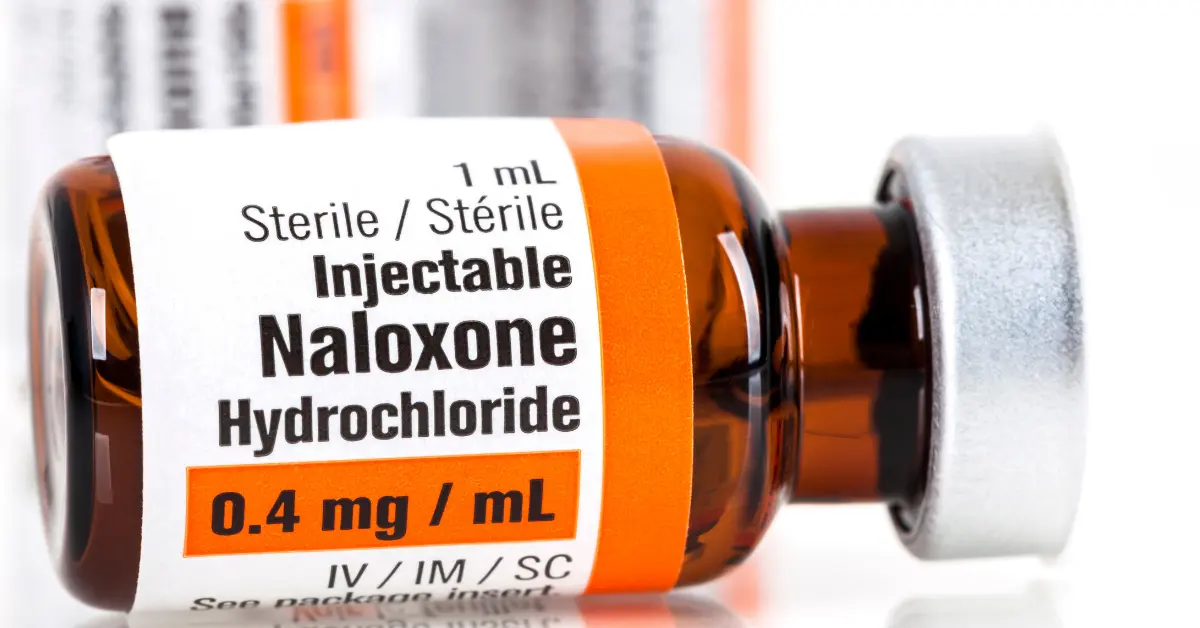
The growing nature of drugs being laced, such as with fentanyl, has killed drug users and destroyed families. The ability to purchase test kits at pharmacies would make a tremendous impact on the drug community, being able to test for MDMA, heroin, LSD and a plethora of other substances. The fentanyl pandemic in the USA is not far off from hitting Australia, and if we want to have a safe drug-using community, providing test kits and naloxone at pharmacies would drastically reduce drug-related deaths. Therefore, I agree with harm reduction policies yet; I also believe we can go further with the ideas, as noted above it would be detrimental to provide drug testing kits in pharmacies, I mention this as many, especially younger individuals purchase street level drugs and take them without any understanding of what is in their pill, this can be directly related to the frequent overdoses in club venues. NSW Police advise Schoolies to “stay with friends and look out for one another” and note the “increased vulnerability to victimisation” during the celebrations (NSW Police Force, n.d), which results in higher rates of drug victimisation.
Part 2: Response
What is the nature of the problem that the proposed policy is intended to address?(approximately 250 words)
Criminologist Andrew Groves, focusing on drug policies, argues, “Australia is widely lauded for its harm minimisation approach to drugs, and yet… [its] policies have been fragmented, sometimes inconsistent and contradictory” (Groves, 2018), this relates to harm reduction, but schoolies have become synonymous with excessive consumption of alcohol and illicit recreational drug use. Schoolies is also a rite of passage for these young adults. Whilst the intention of schoolies is fun and celebratory, for many it introduces risky and unsafe scenarios. The exposure to hazardous situations ranges from physical assaults to the excessive use of drugs and alcohol.
Routine activity theory demonstrates the convergence of three activities: drug dealers, suitable targets (impressionable teenagers), and a lack of suitable capable guardians (limited authoritative figures, e.g., parents). The dangerous nature of schoolies events has provoked groups such as the Christian Red Frogs to aid school partygoers. This is beneficial as they provide safety and transport home, reducing adverse risks and providing a safe space.
It is reported that individuals between the ages of 18 and 24 are the most impressionable drug users due to inexperience and peer pressure, depicted by the social learning theory. The use of 1960s “labelling theory” demonstrates how specific judicial protocol, often punitive, such as jail, can stigmatise and “label” young offenders, reinforcing further deviant behaviours, increasing harm, whilst deterrence methods are more successful. An evaluation found “35% of festivalgoers who had their drug tested indicated that they would change their behaviour as a result” (Stewart & Dietze, p. 4). This research demonstrates the importance of harm reduction in comparison to punitive measures.
Therefore, programs such as the Christian Red Frogs’ group, needle exchanges, safe use clinics, and other forms of harm reduction are more effective than purely punitive justiciar measures. Harm reduction is more appropriate as a public-health-oriented policy, reducing unnecessary labelling and criminalisation of individuals while prioritising those vulnerable and prone to criminal behaviour. Many of these risks come from the routine theory explored in our course modules.
What are the main points of the proposed solution?(approximately 250 words)
Harm reduction policies are grounded in the belief that drug use is inevitable, and therefore risks should be managed. These philosophies premise that drug use is bound to occur, and they provide a service that reduces associated risks rather than punitive measures. The practice places emphasis on the social learning theory, applying that drug use is learnt from peers and behaviours are reciprocated. By implementing services such as red frogs, needle exchanges, safe tents, and other educational and safe environments, we can educate individuals participating in drug use and reduce harmful patterns that are consistent with illicit drug use.
Services such as drug checking at festivals allow individuals to test their bought drugs for adulterants such as synthetic drugs, fentanyl and laced substances. There is empirical evidence for drug testing, such as the ACT’s festival “Groovin the Moo”, which implemented drug testing facilities, drastically reducing drug-related health scares. Recovery tents have been introduced to many events over the last few years, allowing individuals to gather rest and hydrate, which can result in episodes such as heat stroke, dehydration and adverse effects from substances. They provide a safe space for individuals who are having adverse reactions to receive medical assistance, yet also situations such as “bad trips” where individuals may be having a terrible experience with the substances they have taken.
These services are deliberately non-punitive, non-judgmental and reduce the elements of danger whilst encouraging early help for substance users, reducing drug-related risks and drug addiction. For instance, Groovin’ the Moo’s drug testing provided information that individuals who tested their substances often chose not to consume them. According to the Australian Institute of Health and Welfare (2025), 134,776 individuals were hospitalised; harm minimisation policies would reduce these occurrences.
What are the perspectives of relevant stakeholders? (approximately 250 words)
As an Australia-wide event, various stakeholders share multiple viewpoints; these include school leavers (schoolies), parents, police, health professionals, and the government. Although excessive drinking and substance use are reported amongst schoolies participants, most schoolies value their safety and their newly found autonomy after leaving school. The latter influences the misinterpreted maturity, resulting in risk-taking activities.
Parents are influenced by moral panic discourse, how the media portrays schoolies participants, often in a negative view, contributing to parents’ perception of schoolies being exceptionally dangerous, and the influence creates a fear that harm reduction services condone and encourage drug use. This parental perspective is a misunderstanding of the judicial system, what works and what doesn’t, strict punitive measures can and most often have a severe negative impact on the individual, whilst deterrence methods are frequently more successful. Therefore, as stakeholders, parents are split between encouraging the end of childhood and adolescence, becoming an adult, and celebrating this pivotal event.
Police and health professionals are also divided. Health care officials often advocate for harm reduction measures as they have witnessed a reduced impact on ambulant and hospital admissions. While some police believe in zero-tolerance policing, others see deterrence as easing pressure on the emergency services themselves. Harm reduction services such as the Red Frogs, recovery tents, and pill testing actively reduce the demand for police and health services.
Local and government officials support harm reduction practices as they reduce public disorder, outbursts and damage, observing that they are more cost-effective and efficient than heavy policing. Criminology theories help explain why stakeholders may oppose harm reduction, as the control theory expands on social control.
What are your recommendations for amending or adopting the proposed policy? (approximately 250 words)
Groves (2018) argues that “the need for policy reform, attitudinal and cultural shifts and development of stronger cross-sectoral partnerships is highlighted, to ensure a rational and logical approach that genuinely tackles drug policymaking and strategy from a broad public health perspective”.
Criminological evidence provides insight that adopting a health-centred approach is more efficient, practical, and ethical than relying on punitive measures, such as imprisonment for personal drug use. It would be highly beneficial to introduce advertising of safe use and drug safety measures that highlight the risks associated with both alcohol and substance misuse. This form of advertising amongst schoolies would inform these high school graduates of drug safety information and the locations of safety tents, drug testing sites, and designated no-arrest zones.
Social learning theory demonstrates that individuals learn from their social environment, especially their peers. There is a strong connection between the social learning theory and substance use, in particular. Peer pressure and influence are popular at schoolies events, as they mimic risky behaviour. Introducing education and positive role models aligns individuals with safer practices at schoolies events. Most of the substance and alcohol related health risks are a consequence of a lack of knowledge and unsafe practice of drug use.
Harm reduction policies should be adopted to situations outside of events and schoolies; a purely punitive approach to illicit substance use is not only ineffective, but it also increases the risk of harm while participating in drug use and substance use disorders. The success can be acknowledged through schoolies and music events, safe injecting sites, and the provision of naloxone and clean needles at pharmacies.
Trials such as Groovin’ the Moo show evidence that harm reduction practices reduce emergency incidents and drastically increase drug safety measures. Implementing harm reduction policies refocuses resources from punitive enforcement to preventative, educational, and supportive measures whilst incorporating a societal understanding of both recreational and substance abuse disorders.
Part 3: Reflection
Reflecting on your initial reaction to the proposed policy, how has your thinking about the policy changed? If there are differences, why do you think your thoughts evolved? If your thoughts are similar, why do you think that is?(approximately 250 words)
While reading the proposal, I felt a sense of relief, agreement and a strong sense of support of the harm reduction policy. My thoughts on the matter haven’t shifted throughout writing this assignment. Through lived experience with drug use, friends overdosing and having three friends lose their lives to unsafe drug practices, not testing their drugs, and uneducated dosing, I have a strong connection with non-punitive harm reduction practices.
The evidence is overwhelming that, with drugs and alcohol, punitive measures including imprisonment for personal drug use have not worked historically. The issue with punitive measures amongst youth, including schoolies, can result in long-term stigma associated with the labelling theory, which reinforces deviant behaviours.
My explanation of the policy implements various criminology theories and how they strongly connect, mostly positive reinforcements of harm reduction and deviant behaviour. Labelling, social learning, routine activity and control theories collectively support the view that harm minimisation and deterrence methods are more effective than punitive forms of criminal justice responses.
My thoughts are that through both lived experience, thorough research and a general understanding of the dangers of certain drugs, the various forms of harm minimisation and harm reduction practices are incredibly effective in both safe use and leveraging the idea of social learning to discourage substance and alcohol use amongst adolescents, regardless of schoolies.
Advertising safe use on both social media and popular media would influence drug-related overdoses and provide an understanding for impressionable teenagers about both misuse of alcohol and substances, to provide education and a safer understanding of how to use drugs, implementing the social learning theory to deter drug use amongst the adolescent youth, at popular events such as schoolies.
References
Provide a reference list of any cited materials. Enter the references into this section of the template using APA format.
Australian Institute of Health and Welfare. (2025). Alcohol, tobacco & other drugs in Australia. https://www.aihw.gov.au/reports/alcohol/alcohol-tobacco-other-drugs-australia
Groves, A. (2018). “Worth the test?” Pragmatism, pill testing and drug policy in Australia. Harm Reduction Journal, 15(1), 1–13. https://doi.org/10.1186/s12954-018-0216-z
Stewart, A., & Dietze, P. (n.d.). DPMP Evidence Hub: Evidence brief for harm reduction initiatives. https://creidu.edu.au/system/resource/106/file/Burnet_Institute_-_DPMP_-_Harm_Reduction_-_Evidence_Brief.pdf