3rd Year
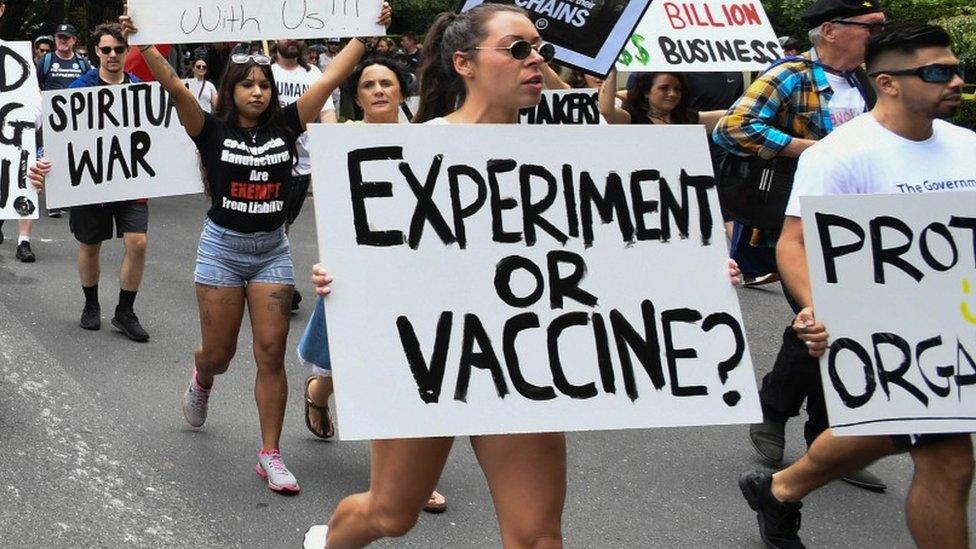
Why should it matter to society if my children are vaccinated or not, shouldn’t they be safe if their precious vaccinations work so well? Vaccinations are dangerous, and no one should be able to force me to inject poisonous chemicals into my child.
First
“Why should it matter to society if my children are vaccinated or not?”
Vaccinations protect more than just that individual; they also protect those who receive vaccinations for various reasons. This is called “herd immunity.” Individuals who may not be able to get vaccinations include cancer patients, babies, and many others, who rely solely on other capable individuals to vaccinate. Outbreaks including the measles outbreak of 2019 and its post-pandemic resurgence, are recurrent and typically emerge in communities with low vaccination coverage. In 2021, during the COVID-19 outbreak, the World Health Organisation (2021) warned that “If too many people opt out of vaccination, herd immunity breaks down and disease outbreaks become more likely”.
Australian society also relies on high uptake to control and eliminate diseases; examples include smallpox, which was eradicated in 1980, Polio, which was eliminated in 2000, Diphtheria, and congenital rubella syndrome. These examples demonstrate the power of modern vaccines and the diseases they have helped eliminate or control through sustained vaccination efforts. Modern diseases still circulating and preventable with vaccines include influenza, COVID-19, chicken pox and pneumococcal disease.
Empirical evidence clearly explains why vaccinations are essential, whether for children or adults, not only to create immunity for the individual but also to prevent deaths amongst those who are unable to vaccinate themselves. According to the Australian Government Department of Health and Aged Care (2023), herd immunity protects vulnerable individuals by reducing the overall presence of disease in the community.”
Second
“Shouldn’t they be safe if their precious vaccinations work so well?”
There are no vaccines that are 100% effective; they are often 85-99% effective. The Centres for Disease Control and Prevention (2022) explain, “even highly effective vaccines leave a small number of people unprotected.”
Media coverage emphasising rare adverse events without context contributes to public fear, spreading frightening rumours. Scaremongering articles are intended to provoke fear rather than provide balanced, scientific records that explore why these individuals may have an adverse reaction. Australian medical group the Burnet Institute noted (2023), “no vaccine provides perfect protection, but they dramatically reduce risk and severity.”
Vaccinations work amazingly, but they can cause adverse reactions in individuals and are often associated with pre-existing medical conditions. These situations are scarce, with the Australian Therapeutic Goods Administration (TGA, 2023) stating that of 976 reports of adverse reactions received, only 14 deaths were linked to the vaccination.
Third
“Vaccinations are dangerous.”
Vaccines and medications undergo a lengthy trial period, which, according to the U.S. Food and Drug Administration (2018), can take up to 10 years before a medication is released to chemists. Only 30% of drugs are released to the public. Australia’s Department of Health and Aged Care (2023) states, “Serious adverse events are infrequent and are closely monitored,” with the risk of diseases far outweighing the dangers of vaccinations.
Some anti-vaccine individuals believe vaccinations cause autism in children. However, examples of research by the CDC (2024) report that “there is no link between receiving vaccines and developing ASD”; therefore, no causational effect between vaccinations and autism disproves a long-term myth. Despite overwhelming scientific consensus, some individuals continue to circulate incorrect vaccine information. Extensive studies have thoroughly researched claims linking vaccines to autism and have been proven scientifically incorrect.
Fourth
“No one should be able to force me to inject poisonous chemicals into my child.”
The claim is that vaccines contain harmful or poisonous substances. Ingredients such as aluminium salts and formaldehyde are present in small amounts, are regulated, and have been proven safe, serving an essential role in vaccines.
The terms poisonous and dangerous are, therefore, extremely misleading. Toxicity is related to the concentration within the vaccine. The National Centre for Immunisation Research and Surveillance (2022) clarified that the “amount of formaldehyde in vaccines is extremely low, and well below levels that would pose any risk.”
Aluminium salts, formaldehyde and preservatives also have a purpose within modern medicine as aluminium salts enhance our immune response, formaldehyde inactivates viruses alongside being a naturally occurring chemical in our body, and preservatives eliminate cross-contamination when in storage and use.
Therefore, the supposed “dangerous and poisonous” chemicals are insignificant and serve a purpose in modern medicine, both safe and functional. Modern medicine is thoroughly tested for safety, and more than 80% of trialled medications do not make it to the market. Vaccinations protect individuals and vulnerable members of the community, making them a cornerstone of public health.
Verdict
According to the SNOPES rating symbol, each of these claims is false and heavily relies on a fear-based, conspiratorial and emotional rhetoric instead of scientifically based empirical evidence. I chose this rating as it is backed by well-documented scientific research that directly disputes my fact-check claims.
Various scientific research, elaborated on in my explanations above, vastly disproves the idea that vaccinations are unnecessary, unsafe, or contain hazardous chemicals. Vaccinations are indeed safe, effective, and incredibly important in contributing to a safe community, especially for those who cannot be vaccinated. Vaccination misinformation undermines society’s trust in health systems and can lead to preventable harm. Continued education and media literacy tools against vaccination misinformation are vital in combating conspiracy theories and safeguarding community wellbeing.
References: Minimum 5 Quality sources
(preferably APA or Harvard style)Use a hanging indent; list alphabetically by surname; use in-text referencing, so each item in the reference list must have a matching in-text citation.
References
Australian Government Department of Health and Aged Care. (2023). Immunisation – How vaccines work. https://www.health.gov.au/topics/immunisation/how-vaccines-work
Centers for Disease Control and Prevention. (2018). Understanding how vaccines work. https://www.cdc.gov/vaccines/hcp/conversations/downloads/vacsafe-understand-color-office.pdf
Centers for Disease Control and Prevention. (2024). Autism and vaccines: Vaccine safety. https://www.cdc.gov/vaccine-safety/about/autism.html
Food and Drug Administration. (2018, January 4). Step 3: Clinical research. U.S. Department of Health and Human Services. https://www.fda.gov/patients/drug-development-process/step-3-clinical-research
Goods, T. (2023, January 12). COVID-19 vaccine safety report – 12-01-2023. Therapeutic Goods Administration. https://www.tga.gov.au/news/covid-19-vaccine-safety-reports/covid-19-vaccine-safety-report-12-01-23
National Centre for Immunisation Research and Surveillance. (2022, December). Vaccine types and their components: Fact sheet. https://www.ncirs.org.au/sites/default/files/2022-12/Vaccine%20componenets%20fact%20sheet%20December%202022.pdf
World Health Organization. (2021). Ten threats to global health in 2019 – Vaccine hesitancy. https://www.who.int/news-room/spotlight/ten-threats-to-global-health-in-2019